

Next on our series “IF THE OSCARS WERE TOMORROW,” we’re digging into the standout Cinematography contenders who will try to make a play for nominations.
Ground rules to keep in mind. For the best possible accuracy, we’ll be considering not just every film that’s opened theatrically to date, but also every film SCREENED thus far that has both secured distribution and is already dated for release. These screenings may include any of the big festivals from the first half of the year or earlier. Films exclusively screened privately for the industry or press will not count. *
Cinematography
1 – Sinners (Autumn Durald Arkawpaw)
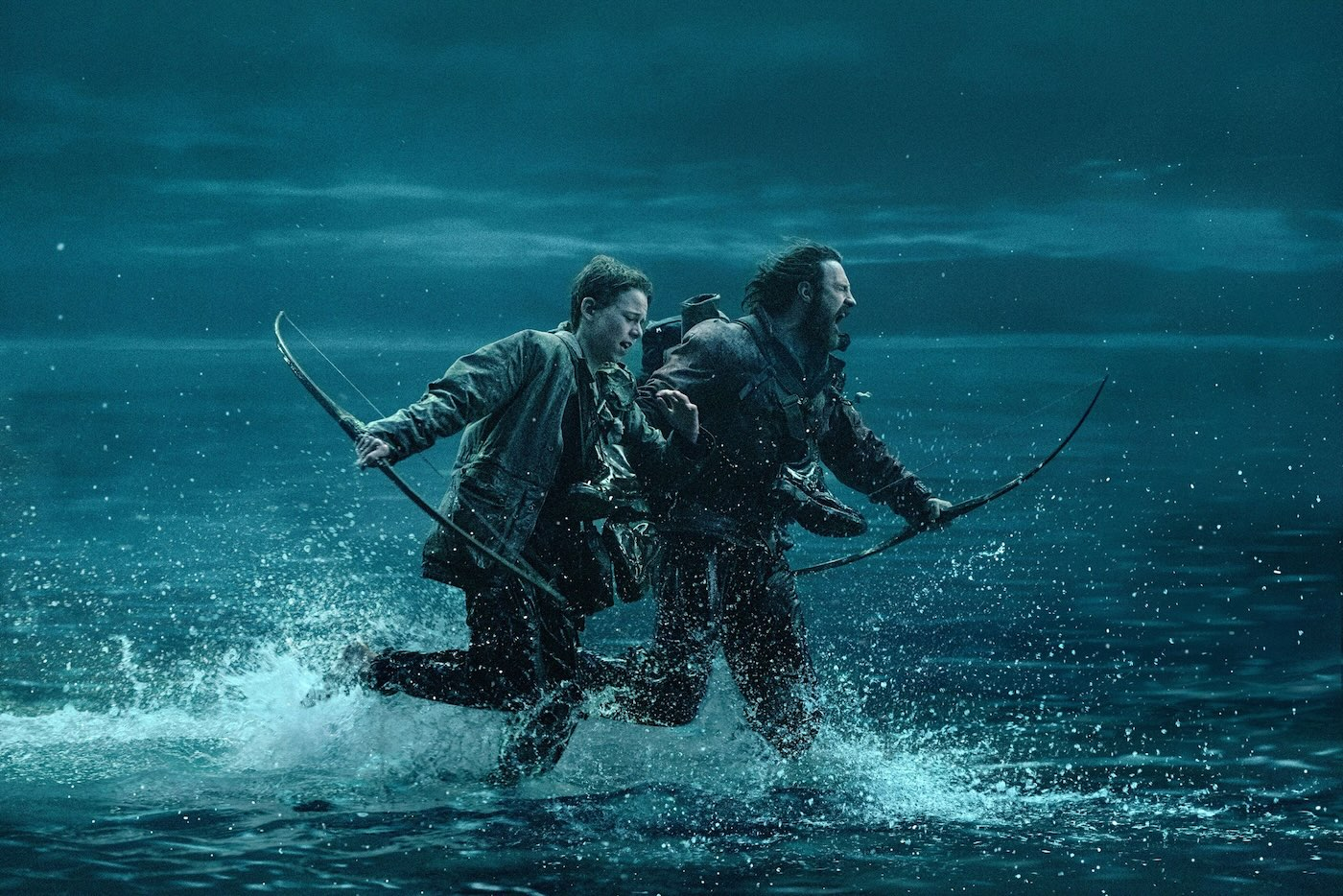
2 – Train Dreams (Adolpho Veloso)
3 – Nouvelle Vague (David Chambille)
4 – 28 Years Later (Anthony Dod Mantle)
5 – F1 (Claudio Miranda)
The large-format cinematography of “Sinners” should make Autumn Durald Arkawpaw a lock for her first Oscar nomination. If so, Arkawpaw would be only the fourth woman to ever be nominated in the category and the first women to be nominated for shooting large-format & IMAX film. It’ll be the first time a Coogler film breaks into this category as well. Can Arkawpaw also become the first female cinematographer to win the Oscar? I like her odds.
After that, the category is much more open. Two Netflix entries stand a very good chance of breaking in as of now. The lush scenery and natural lighting of “Train Dreams” will have Adolpho Veloso in the hunt for his first nomination. Fortunately for him, his previous collaboration with director Clint Bentley (2021’s “Jockey”) was spotlighted among the American Society of Cinematographers, so he’s no stranger to that company.
On the other hand, David Chambille, the cinematographer of “Nouvelle Vague,” doesn’t have much crossover success in the United States. Nonetheless, his smoky black-and-white imagery should make him a formidable contender for a nod. To his benefit, the relative anonymity of Paul Guilhaume, another French director of photography, didn’t play much of factor last year when he scored a nomination for lensing “Emilia Pérez.” This demonstrates that, like Best Director, the category grows more international with each passing year. What’s more, the fact that the movie was shot using 35mm black-and-white film will be very memorable to voters, who prefer to nominate an aesthetically diverse slate.
The last two spots are fun to consider because few films have a strong edge, and the cinematographers branch has proven to be adventurous with some of their choices – remember nominations for “Batman Begins “ in 2005 or “House of Flying Daggers” in 2004?
When analyzing who’s ahead thus far, it’s clear the lineup could really use some veterans. How about Anthony Dod Mantle for his ground-breaking work on Danny Boyle’s sequel “28 Years Later”? Mantle is a one-time nominee and previous winner for his work on “Slumdog Millionaire,” another collaboration with Boyle. By now, voters have surely seen the videos and read the press about how Mantle was able to innovate with Apple iPhones to complete principal photography for the film. If shortlisted, it may very well be a historic nomination for a film shot on iPhone. Many will remember the gorgeously shot and widely celebrated iPhone cinematography of Sean Baker’s “Tangerine” – which didn’t get much traction outside critics’ circles. While its choice of format is surely memorable, it may also be met with resistance from some in the branch who fear legitimizing that sort of artistic choice in the industry – the then-novel digital cinematography of “Collateral” faced similar hurdles before failing to secure a nomination back in 20004.
For the final nomination, perhaps the branch will feel they need to make amends and nominate Claudio Miranda for his work on “F1” after snubbing his high-flying camera work on “Top Gun: Maverick,” a nod many assumed was in the bag. Miranda reunites with Kosinski on the project, and this time was tasked with integrating the camera system into the racing vehicles themselves in order to capture new perspectives on the track. Miranda’s growing technical ingenuity may be enough to get him across the finish line this time.